DAY 1: Arrive in Paro for a day of sightseeing
On arrival we meet you at Paro International Airport once you have cleared your immigration and customs formalities. We then transfer you to your hotel in Paro for check-in.
Paro is renowned for numerous iconic landmarks, including the famous Taktshang Monastery, also referred to as Tiger’s Nest, and serves as a hub for Drukair and Bhutan Airlines. Our day commences with a captivating tour of Ta Dzong, an ancient watchtower situated around 6km from Paro town, now repurposed as the National Museum of Bhutan. We’ll then traverse to Paro Dzong, also known as Rinpung Dzong, positioned across the Pachhu River, approximately 2km from Paro International Airport.
The rest of afternoon will be yours to relax and enjoy exploring the charming small town of Paro
Overnight in Paro. Hotel Standard: 3 Star Olathang Cottages or similar
Meals: Full board
DAY 2: Hike to Tiger’s Nest Monastery (Acclimatisation Day)
Today is a real highlight as you take a short hike to the Taktshang Monastery, perched dra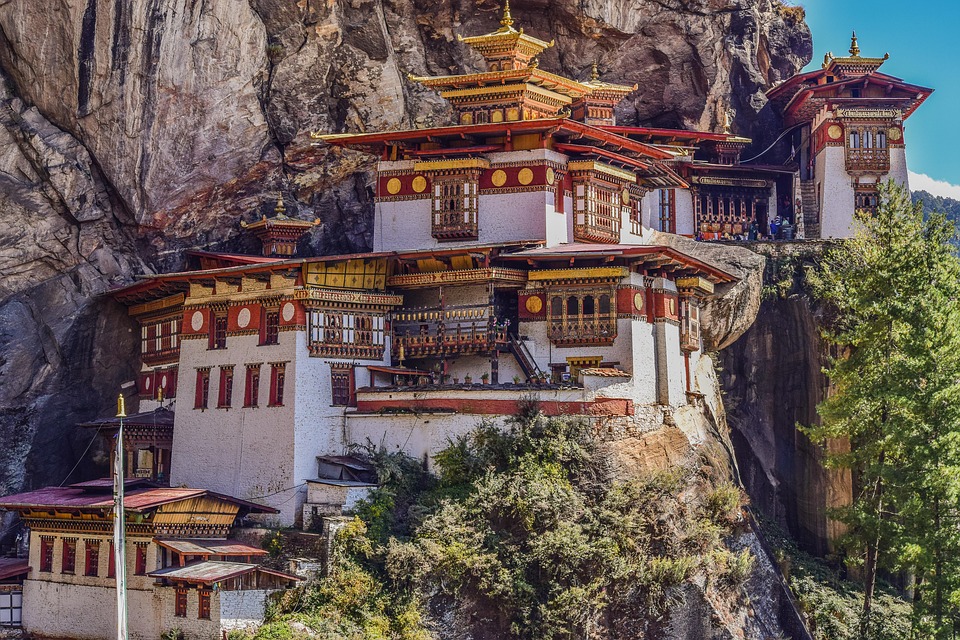 matically on a cliffside 900m above the Paro Valley floor. The 4km hike commences at the mountain’s base from the road point in Ramthangkha, approximately 12km from Paro town. Enjoy a leisurely walk lasting around 4 to 5 hours for the round-trip, leaving an additional hour to explore the monastery itself at a relaxed and comfortable pace. Halfway along the trail, a quaint teahouse presents a perfect vantage point to admire the monastery’s splendour.
Today’s hike not only promises a rich cultural immersion but also serves as a vital step in acclimating ourselves for the exhilarating trek to Laya on Day 5.
Spend the night in Paro. Hotel Standard: 3 Star Olathang Cottages or similar
Meals: Full board
DAY 3: Paro – Thimphu
Today we commence our journey to Thimphu, Bhutan’s capital (54km), taking approximately one hour, home to 138,736 inhabitants.
The journey traverses through Chhuzom (24km), a vital crossroads linking Thimphu (30km) northeast, Haa (82km) southwest, and Phuentsholing (141km) south. We arrive in Thimphu and tour the National Memorial Chorten, constructed in 1974 to honour the third King Jigme Dorji Wangchuk (1928-1972). This stupa stands as a prominent site for daily Bhutanese worship, boasting golden spires and bells.
Our next stop is at the Folk Heritage Museum in the heart of the capital city. It is more than 150 years old and showcases the Bhutanese rural life in the olden days through exhibits, demonstrations, educational programs, and well documented displays.
Afterwards, we visit the National Library, where you’ll encounter the world’s largest book, ‘Bhutan: A Visual Odyssey Across the Last Himalayan Kingdom.’ This impressive tome weighs over 60 kg, stands at 1.52 meters in height, and spans 2.13 meters in width.
Continue to Changlingmithang (Sports Complex) where you might witness locals engaging in archery matches, the national game of Bhutan. Next, visit the impressive Tashichhodzong.
Overnight in Thimphu. Hotel Standard: 3 Star Thimphu Deluxe Hotel or similar
Meals: Full board
DAY 4: Thimphu – Gasa
Today we’ll embark on a 132km, approximately 4 to 5 hours, journey, to Gasa via Punakha stopping at the 108 Druk Wangyal Chortens before crossing the Dochula Pass (3,050m). If weather permits, this spot provides awe-inspiring panoramic views of the snow-capped Himalayan peaks, including Bhutan’s highest, Mount Gangkar Puensum, towering at 7,564 me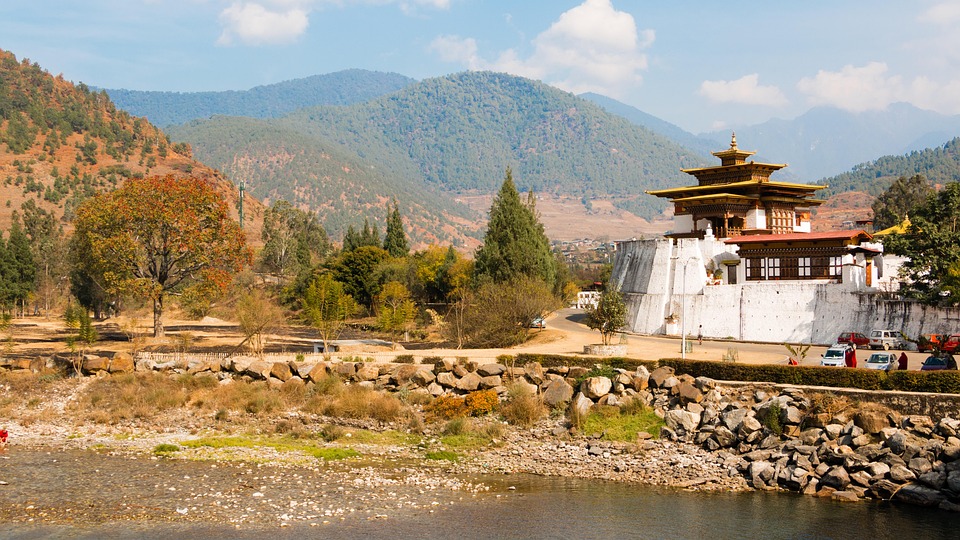 ters. Enjoy a picturesque drive through the countryside, passing by valleys, terraced fields, and charming villages. You can make stops along the way to admire the landscapes and take photographs.
Arrive in Gasa by noon, where you can explore the Gasa Dzong (also known as Tashi Thongmon Dzong) situated above the cave where the Tibetan saint Terkhungpa meditated. Zhabdrung Ngawang Namgyal built this fortress in 1646 to commemorate victories over the Tibetans. The circular-shaped dzong features three strategically placed watchtowers. For flower enthusiasts, Gasa offers an abundance of wild orchids, including epiphytic and ground orchids. One of the main attractions in Gasa is the Gasa Tshachu hot springs, located near the Mochhu River at an elevation of 2100 meters.
Alternatively, you could explore Bjagay Menchu, a mineral spring about a 15 to 20-minute walk from Gasa Tshachu. Legend has it that a vulture, which had accidentally ingested a metal piece placed in the torma (ritual cake), was healed from choking after soaking in the water of Bjagay Menchu for a few days. The Menchu was subsequently named Bjagay Menchu.
Overnight in Gasa at a Tented Camp
Meals: Full board
DAY 5: Gasa – Laya
After breakfast, continue your journey towards Tongchudra/Tongchuzampa, covering approximately 20km, which takes around 2 hours by road. The road to Tongchudra is not paved and well-maintained, necessitating a switch to a Bolero camper (pickup truck) from Gasa. Upon reaching the road’s endpoint at Tongchudra, embark on a hike to Laya alongside an aqua green glacial river, which is approximately 4 to 5 hours of walk at an average pace. The initial 2 to 3 hours involve a gradual ascent, which becomes steeper as you approach Laya.
By late afternoon, you’ll arrive in Laya, where you can check into your accommodation, unwind, and relax. Alternatively, visitors have the option of availing a helicopter service to reach the festival ground at an additional cost – please check with us for availability. However, it is advisable to make reservations well in advance due to limited seats.
Overnight in Laya at a Tented Camp
Meals: Full board
DAY 6: Royal Highland Festival
Immerse yourself in the vibrant Laya festival by participating in its opening ceremony. The festival boasts a captivating line-up of traditional music, dance performances, animal parades, and cultural shows. Witness the customary practice of Buelwa, a traditional gift or offering made during special occasions and important ceremonies. The offering typically consists of symbolic items such as grains, fruits, traditional food, religious artefacts, monetary donations and, occasionally, livestock. Buelwa plays a significant role in religious ceremonies, festivals, weddings, births, and other essential events within the community.
Experience the cultural richness of Auley, a tradition rooted in the recitation of epic poems and songs. Originating from the time of Zhabdrung Rinpoche in Bhutan, Auley serves as a means for the community in Laya to express loyalty and respect to successive monarchs. 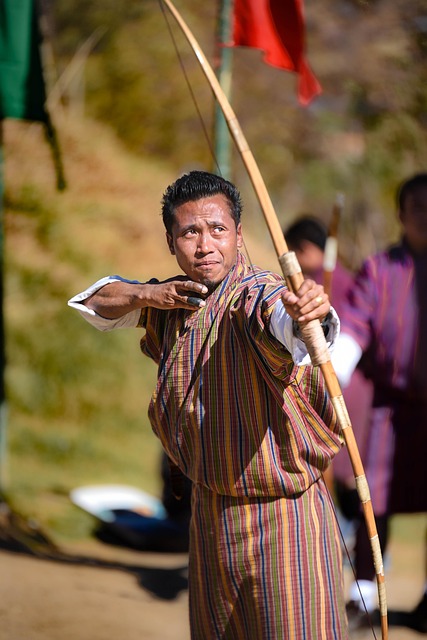
Participate in sacred religious ceremonies and blessings conducted by revered local monks, experiencing the profound spiritual energy that permeates the surroundings. For a more leisurely experience, consider taking a stroll around the village to absorb the local atmosphere and connect with the community. Explore the historical and culturally significant Tashi Lhakhang, also known as Omchu Lhakhang, Jagchhey Lhakhang, Jangchubcholing Lhakhang, and Zogchencholing Lhakhang.
Each of these sites has its own unique story, legends, and historical context, providing a deeper understanding of the region’s rich heritage. Visit the household that graciously hosted Zhabdrung in 1616 when he arrived in Bhutan through Laya during self-imposed exile. Admire the proud display of gifts given by Zhabdrung, including pots and precious stones. You can visit any houses around Laya village, mingle with the locals, and may even get invited into a home to try festive chang (locally brewed wine) along with a cup of tea and roasted rice.
Overnight in Laya at a Tented Camp
Meals: Full board
DAY 7: Laya – Punakha
We bid farewell to the Royal Highland Festival in Laya after breakfast and check-out from our accommodation. Hike back to Tongchudra and drive to Gasa, then continue your drive to Punakha (1,350m).
Nestled in western Bhutan, Punakha enjoys a temperate climate, bordered by Gasa to the north, Thimphu to the west, and Wangdue Phodrang to the east and south. Arrive in Punakha, explore the Punakha Dzong, strategically located at the confluence of the Phochhu (male) and Mochhu (female) Rivers. This grand fortress is adorned with jacaranda trees, colouring the landscape with vibrant purple blooms in spring.
Time permitting, the evening can continue with a visit to Chimi Lhakhang, the fertility temple situated on a circular hillock near Sopsokha village. Built in 1499 by Saint Drukpa Kunley, known as the Divine Madman, this sacred site is believed to bless childless couples from across Bhutan and occasionally overseas, granting them children.
If you are still feeling energetic, why not take a stroll to Bhutan’s longest suspension bridge spanning the Phochhu River?
Overnight in Punakha. Hotel Standard: 3 Star Hotel Sonamgang or similar
Meals: Full board
DAY 8: Punakha – Bumthang
After an early breakfast, continue to the Bumthang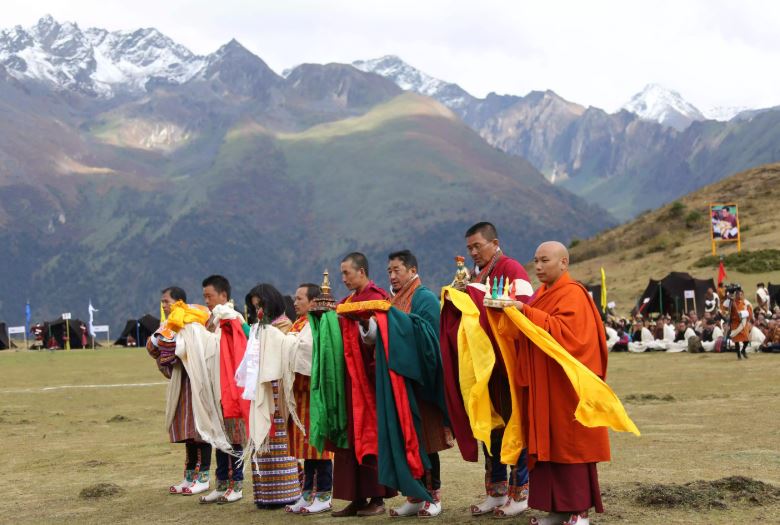 Valley in central Bhutan, home to some of the oldest temples and monasteries in the country.
At first, you’ll travel to Trongsa, about 4 to 5 hours via Nobding, a quaint town along the way, and Pelela Pass (3,390m). Along the East–West highway, it’s not uncommon to spot yaks grazing by the roadside. On the way take a stroll along the Chendebji Chorten below the road – a nice stop to stretch your legs while you walk around the stupa. This 18th century monument resembles the Boudhanath Stupa in Kathmandu, Nepal with eyes painted at the four cardinal points.
A highlight awaits at the Thumangdra viewpoint, offering a perfect vantage to capture breath-taking photos showcasing the scenic beauty of the landscapes and the grandeur of the dzong. Continue your journey to Bumthang (68km), about 2.5 hours via Yotongla Pass (3,425m).
You have an option to explore the Yathra Weaving Centre in Chumig village en route. Here, the Bumthap women weave yak and sheep wool into the beautifully patterned fabric called “Yathra”, including woollen mattresses (Drumzeedhen).
Overnight in Bumthang. Hotel Standard: 3 Star Gongkhar Hotel or similar
Meals: Full board
DAY 9: Jakar Valley Gentle Walking
We explore the pristine Bumthang Valley (also known as Jakar), the religious heartland of Bhutan. Visit the Jambay Lhakhang (Temple of Maitreya), said to be one of the 108 temples built by Tibetan King Songtsen Gampo on a single day in the 7th century. Continue onto a farm track along the valley floor, walking about 15 to 20 minutes towards the Kurjey Lhakhang complex, which consists of three temples. A 108-chorten wall surrounds these impressive temples with a huge front yard on the side of a hill.
Next, travel out to Mebar Tsho (Burning Lake), located on the way to Tang village, where the renowned treasure reveller, Terton Pema Lingpa, discovered religious treasures from the lake in the late 15th century.
Head back to Chamkhar and tour the Lhodrak Kharchhu Monastery, situated on a sacred hill just above Bumthang town. The monastery was built in 1982 offering three main streams of dharma studies: shedra (college), drupdra (meditation) and monastic rituals. Here about 400 monks or so are busy reading, or involved in recitation of daily prayers, meditation, chantings, dharma dances, beating drums, use of ceremonial, mandala drawings, and much more.
Enjoy a tranquil evening strolling the streets of a small Bumthang town.
Overnight in Bumthang. Hotel Standard: 3 Star Gongkhar Hotel or similar
Meals: Full board
DAY 10: Bumthang – Phobjikha
After breakfast, our return journey takes us to Phobjikha Valley via Trongsa (about 4 to 5 hrs), home to the rare, Black-Necked Cranes that migrate from the Tibetan plateau from late October to mid-March.
Take the opportunity to visit the 17th century picturesque Gangtey Gonpa (monastery) on the hillock with amazing views of the valley. The monastery is the only Nyingmapa School of Buddhism taught here in western Bhutan.
The afternoon is set aside for a short and gentle nature hike (4km), taking about 2 hours. The best way to soak up this magnificent valley is to head downhill from the start point (near the monastery) to Semchubara village. This trail takes you through beautiful forests, flower meadows and into the vast plains of Phobjikha Valley, ideal for spotting some birds, grazing cows, farmhouses, people, and the local life. After passing a chorten and Khewa Lhakhang through gentle grassy slopes carpeted with purple primulas, your hike ends at the local community school.
Overnight in Phobjikha. Hotel Standard: 3 Star Dewachen Hotel & Spa or similar
Meals: Full board
DAY 11: Return to Paro
Overnight in Paro. Hotel Standard: 3 Star Olathang Cottages or similar
Meals: Full board
DAY 12: End of Tour
Your tour ends this morning after breakfast. We transfer you back to Paro International Airport for your onward journey, our guide and driver making the journey with you to see you safely off.
Meals: Breakfast